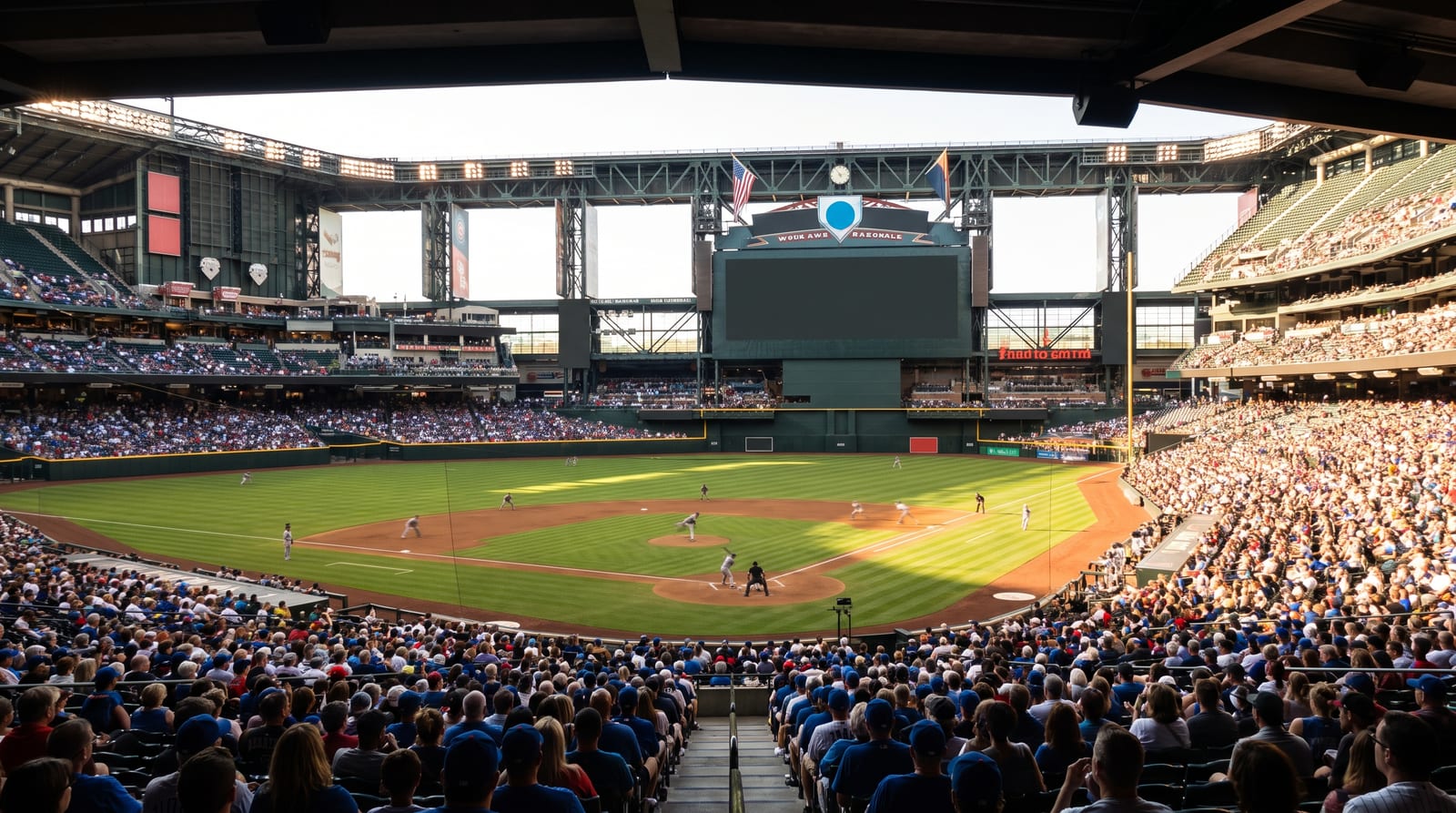
Pete Crow-Armstrong is approaching 100 stolen bases for the second consecutive season in 2026, putting the Chicago Cubs center fielder on the doorstep of one of the more striking individual baserunning benchmarks in recent memory. He reached that threshold in 2025, and he is doing it again — the kind of back-to-back production at that volume that only a handful of players in baseball history have managed. Crow-Armstrong is chasing that company now as the Cubs play out their regular season schedule in late August.
The Number: Approaching 100 Stolen Bases in Back-to-Back Seasons
The straightforward fact is this: Pete Crow-Armstrong is approaching 100 stolen bases in 2026, and he hit that mark in 2025. Getting to 100 steals in a single season puts a player in company that includes Rickey Henderson and Vince Coleman — names that carry weight in any baserunning conversation. Doing it in consecutive seasons is a different level entirely. Henderson did it across multiple seasons in the 1980s; Coleman strung together 100-steal campaigns in his first three big-league years. Those are the historical reference points. Crow-Armstrong is pushing into that conversation now, and that is not a small claim. For him, this is not a fluke or a one-year sprint — it is a pattern, and that pattern has continued deep into the 2026 regular season.
The Cubs have a player who can change a game simply by getting on base. That is not a small thing. Speed that grades out at this level affects pitchers, catchers, infielders, and managers. It opens gaps, advances runners, and creates pressure that does not show up cleanly in a box score but absolutely shows up in outcomes.
The Context: What Back-to-Back Stolen Base Volume Means
A stolen base total approaching 100 in a single season is extraordinary on its own terms. Fewer than a dozen players in the modern era have cracked 100 in a single campaign. The list of players who have done it in back-to-back seasons is shorter still — and it is a list anchored by legends. Crow-Armstrong is operating at a level of baserunning aggression and efficiency that puts him squarely in that historical conversation, and Cubs fans should understand exactly how rare that is.
What makes this particularly notable heading into the final weeks of the 2026 regular season is that stolen base totals at this scale require consistent execution over a full season. This is not a hot month or a favorable stretch of schedule. Approaching 100 steals by late August means Crow-Armstrong has been running at this pace from April forward — the same pace he sustained through all of 2025 to get there the first time.
Why It Matters for the Cubs
The Cubs are playing regular season baseball with the calendar showing August 22, 2026. Every game from here forward carries weight in the standings picture, and having a player like Crow-Armstrong capable of manufacturing runs with his legs gives Chicago a dimension that most rosters do not carry.
- A baserunner approaching 100 steals forces opposing batteries to alter their approach on every pitch.
- Crow-Armstrong's speed affects hit-and-run decisions, sacrifice situations, and defensive alignments.
- Back-to-back seasons approaching this threshold signal that this is an established skill set, not an outlier year.
What Comes Next
The question now is whether Crow-Armstrong finishes the 2026 regular season at or above 100 stolen bases, and what that means for his place among the elite baserunners the Cubs have put on the field over the years. The milestone chase is active. The season has weeks left. If the pace holds, Crow-Armstrong will have done something in consecutive seasons that very few players at any level accomplish once.
For a Cubs team still working through its regular season schedule, that is a storyline worth tracking every time Crow-Armstrong gets his foot on first base and looks toward second.