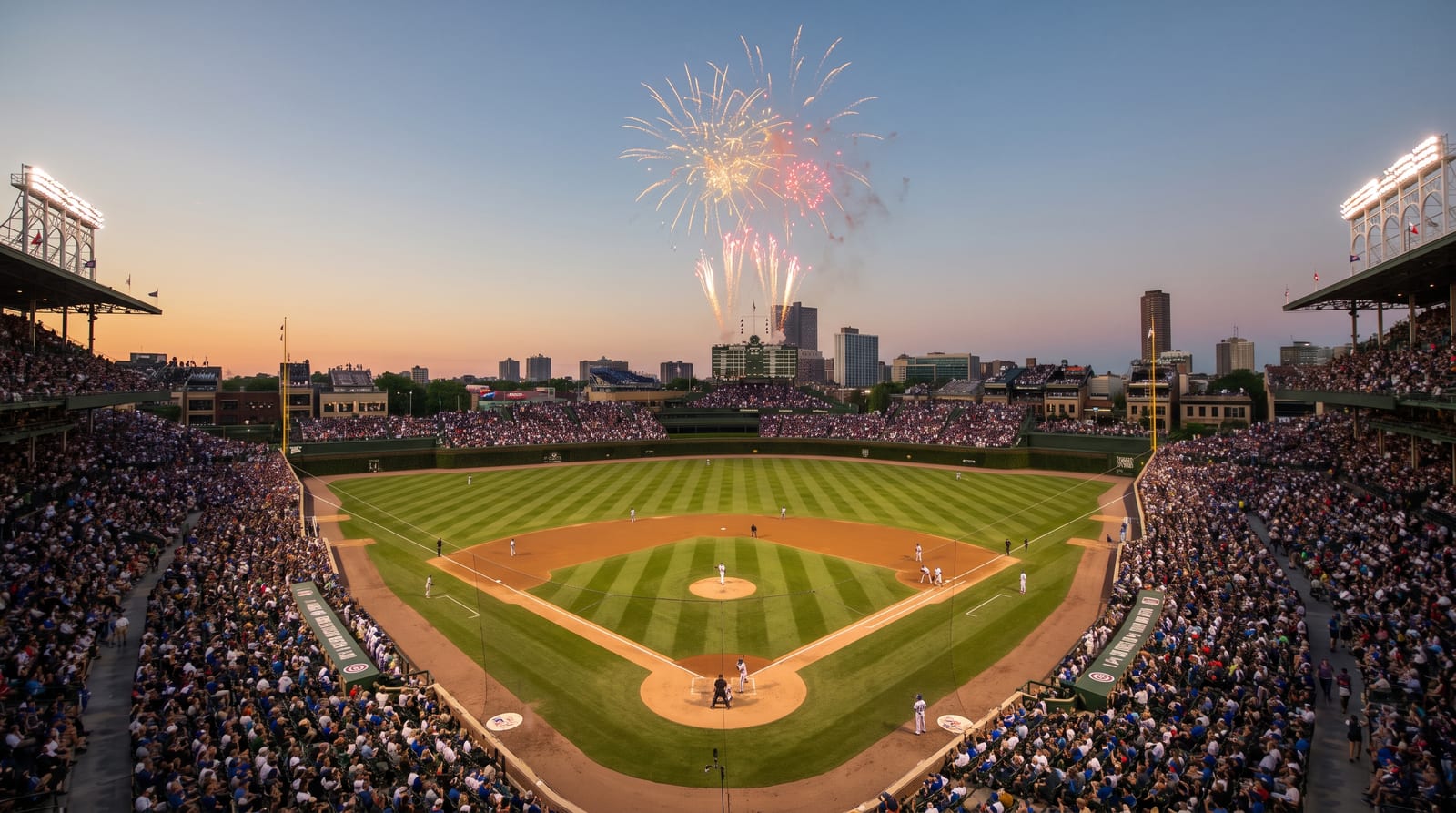
The Chicago Cubs dropped a gut-punch 4-3 decision to the Boston Red Sox on Friday, September 25, 2026, at Fenway Park, watching a three-run lead evaporate in one of the more painful late-game collapses of the regular season. Boston erased a three-run deficit and walked off with the win in nine innings, with Raymond Burgos earning the save and Aaron Civale taking the loss. It was a winnable game the Cubs handed back, and that's the honest truth of it.
Cubs Build Early Lead, Then Watch It Disappear
Chicago jumped out to a 3-0 lead, but starter Clay Holmes kept things from getting any worse, even if the early going was bumpy. Holmes worked 4.1 innings, allowing 2 earned runs on 5 hits and 3 walks while striking out 3. He wasn't sharp, but he kept the Cubs close enough for Boston's offense to do its work later.
The Cubs' bullpen then became the story in the worst way. Caleb Thielbar provided a clean 1.1 innings of relief, but Aaron Civale couldn't hold the lead when it mattered most. Civale went 2.1 innings, surrendering 3 hits, 1 earned run, and 1 walk while striking out nobody — and he was charged with the loss as Boston completed the comeback.
Red Sox Offense Finds Its Footing Late
Boston got the production it needed from the top of its lineup. Roman Anthony went 3-for-3, reaching base repeatedly and keeping the pressure on Chicago's pitching staff all night. Adley Rutschman was the run-producer, going 2-for-4 with 2 RBI as Boston clawed its way back into the game and eventually past it. When a team surrenders a 3-run lead and loses by one, those two-run nights from opposing catchers are the kind of performances that define the box score.
On the Boston pitching side, Greg Weissert picked up the win with 1.1 innings of work — allowing no hits, striking out 1, and issuing 2 walks. Burgos was dominant in his 2.0-inning save, punching out 3 batters without allowing a hit or a walk. That's the kind of late-game performance that shuts the door on any Cubs comeback hopes.
Cubs Offense Couldn't Extend the Lead
Chicago's best offensive contributors were Matt Shaw and Michael Busch, each going 2-for-4 and 2-for-3 respectively, but neither drove in a run. That's the core problem on nights like this: the Cubs collected hits but couldn't convert them into insurance runs that would have made the comeback much harder. When you leave production on the table early and your bullpen can't hold a three-run cushion, the result tends to look exactly like Friday night.
Key Performers — Chicago Cubs
- Matt Shaw: 2-for-4, 0 RBI
- Michael Busch: 2-for-3, 0 RBI
- Clay Holmes (SP): 4.1 IP, 5 H, 2 ER, 3 BB, 3 K
- Aaron Civale (L): 2.1 IP, 3 H, 1 ER, 1 BB, 0 K
Key Performers — Boston Red Sox
- Roman Anthony: 3-for-3
- Adley Rutschman: 2-for-4, 2 RBI
- Raymond Burgos (SV): 2.0 IP, 0 H, 0 ER, 0 BB, 3 K
- Greg Weissert (W): 1.1 IP, 0 H, 0 ER, 2 BB, 1 K
The Turning Point
The turning point was straightforward: the Cubs could not add to a 3-0 lead despite getting runners on base, and once Boston's lineup started chipping away, Chicago's bullpen didn't have the answers. A three-run advantage is a comfortable buffer in September baseball — until it isn't. Rutschman's 2-RBI night was the single most damaging contribution, and the Cubs had no answer for Burgos when it was time to respond in the final two innings.
What's Next for the Cubs
The Cubs will continue their road series against the Red Sox, looking to bounce back in the next game of this Friday-night set. Getting out of Boston with a series win will require a better answer from the starting pitcher and more timely hitting from a lineup that had opportunities it didn't cash in on Friday. Shaw and Busch showed they can put the bat on the ball — now the Cubs need that production to translate into runs on the board.